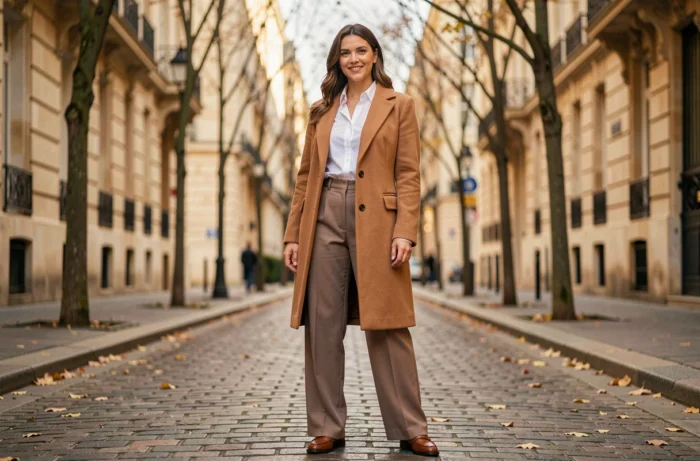
The spring-summer and autumn-winter 2024 fashion shows have set clear guidelines: fewer pieces, better chosen, worn longer. This approach changes how we put together our daily looks. The fashion trends of 2024 are not just a list of colors or cuts. They reflect a shift in our relationship with clothing, where personal style takes precedence over constant renewal.
Second-hand and mixed wardrobes: the true driving force behind 2024 looks
You may have noticed that the most photographed outfits on the street often mix a vintage piece with a recent basic? This reflex is no longer marginal. In France, the second-hand textile market reached 65.8 kilotonnes sold in 2024, accounting for about 7.4% of the textile volumes consumed, according to Refashion data.
This growth (around a 3.5% increase between 2023 and 2024) is changing the way trends are followed. Rather than buying a complete wardrobe each season, many are composing their silhouettes by pairing pre-loved pieces, often from designers, with new basics. The result is more unique, less uniform looks.
To explore varied fashion inspirations, you can access the fashion page of Myblog and discover selections that incorporate this mixed wardrobe logic.
This movement has a direct effect on the advice to remember for 2024: invest in a strong piece rather than five disposable pieces. A structured jacket found in a thrift store, worn over straight jeans and a white t-shirt, is enough to anchor a look in the season without chasing every micro-trend.

Trendy colors and materials for spring and autumn 2024
The runways showcased two distinct palettes depending on the season. In spring, cherry red, spotted at several major houses, has established itself as the signature color. It is a shade close to burgundy, deep enough to work as both an accessory and a statement piece.
For autumn-winter, muted tones take the lead. Chocolate brown, slate gray, and midnight blue create a sober base. The idea is not to wear a single color from head to toe, but to create a contrast between a neutral base and a bright accent, like a red scarf over a gray coat.
How to choose your materials according to the season
Natural materials remain the common thread. Linen and lightweight cotton dominate the spring-summer offerings. For autumn, blended wool and corduroy are making a strong comeback, both in jackets and trousers.
A practical tip: touch the fabric before buying. A garment that hangs well on a hanger but wrinkles in five minutes will be abandoned at the back of the closet. The durability of the fabric over time matters more than the trendy cut.
Key silhouettes: adopting cuts that last beyond a season
Why do certain cuts come back every year while others disappear in a few months? The answer often lies in their adaptability. The most worn silhouettes in 2024 share a common point: they work on various body types and combine easily.
Here are the cuts that stood out this year:
- The midi skirt, pleated or straight, worn both with sneakers and low-heeled ankle boots. It transitions effortlessly from the office to the weekend.
- The oversized shirt, borrowed from men’s wardrobes, worn open over a fitted top or buttoned up to the collar with high-waisted pants.
- The wide pleated trousers, gradually replacing slim fits in wardrobes. Its structured cut elongates the silhouette without restricting movement.
- The flowy mid-calf dress, in matte fabric, which works alone in summer and layers over a thin turtleneck come autumn.
These pieces are easily found second-hand, allowing you to try them without a heavy financial commitment. A wool midi skirt found in a thrift store often costs a fraction of the new price and retains its shape for several years.

European textile regulation: what changes for your fashion purchases
One aspect that 2024 fashion trend guides rarely address is regulation. The European Union is preparing a framework that will mandate the circularity of textiles by 2030. In practice, this means that brands will need to design garments that are repairable, recyclable, and accompanied by traceability information.
For consumers, this change is already reflected in the emergence of labels and more detailed product sheets. Before buying, check if the brand specifies the exact composition of the fabric, the country of manufacture, and precise care instructions. A well-documented garment is often a better-made garment.
Adapting your habits now
Without waiting for 2030, a few simple reflexes can align your style with this evolution:
- Favor pieces made from a single material (100% cotton, 100% wool) rather than synthetic blends, as they are easier to recycle.
- Care for your clothes at low temperatures and avoid the dryer for natural fibers, which extends their lifespan by several seasons.
- Resell or donate pieces you no longer wear instead of throwing them away, contributing to the second-hand circuit.
The fashion trends of 2024 are not just about what we wear, but also about how we build our wardrobes. Less volume, more thoughtful choices: this is the direction that creators, regulations, and consumers are taking. The most sustainable style remains that which we compose with pieces we truly love to wear.