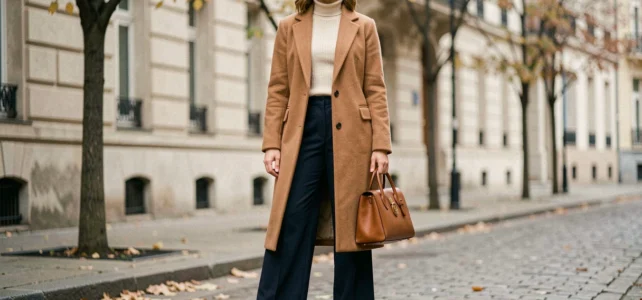
When you open your wardrobe at the beginning of the season, the question isn’t about replacing everything. It’s about knowing which pieces to add so that the rest works better together. The women’s fashion trends this fall are precisely pushing in this direction: less unnecessary volume, more choices that stand the test of time.
European regulation and women’s fashion: what is changing in the stores
Since August 2026, the European regulation on the ecodesign of sustainable products (ESPR) prohibits large companies from destroying their unsold textiles. Brands with more than 250 employees must now prioritize resale, markdowns, donations, repairs, or recycling of their unsold stock.
For us, the buyers, the effect is already visible. There are more pieces from previous collections on sale or refurbished, including from brands that did not previously engage in permanent clearance. End-of-line items no longer disappear quietly.
The European Union has also revised its framework directive on waste: by April 2028, all member states will have to impose on brands an extended producer responsibility for textiles. In practice, brands will finance the collection, sorting, and recycling of the clothing they put on the market. We can expect to see more structured take-back programs and more detailed labels on the composition and recyclability of fabrics.
This regulatory context is pushing brands to produce fewer references but with a lifespan considered from the design stage. Stores like eva-mode.fr are already offering selections that focus on cuts and materials designed to last several seasons, which aligns perfectly with this logic.
Trendy colors and materials for autumn-winter: choices that work daily
Seasonal palettes are often discussed as if they apply to everyone. In practice, earthy colors and muted tones dominate this fall, but their effectiveness depends on what you already have.
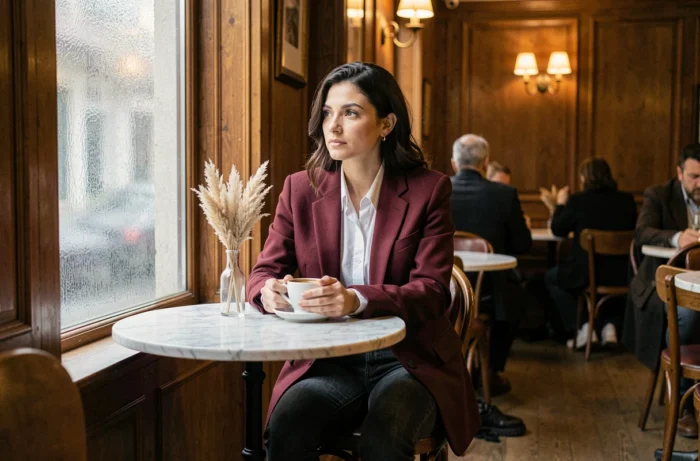
If your wardrobe revolves around black and navy, a blazer in a warm brown or deep burgundy is enough to break the monotony without creating a mismatch. The autumn-winter 2026 runways show a lot of tone-on-tone layering, which simplifies morning outfit combinations.
Materials to prioritize for real use
Opinions vary on this point, but ribbed knit and thick jersey consistently appear in the best-rated pieces by buyers this season. Their advantage: they retain their shape after washing and withstand the friction of handbags or belts.
- Ribbed knit for sweaters and cardigans: it structures the silhouette without stiffening movement and can be worn under a blazer or as a main piece
- Raw or semi-rigid denim for high-waisted jeans: it holds its shape better over time than very stretchy denim
- Lightweight crepe for mid-season long dresses: it drapes without sticking and doesn’t mark when sitting for long periods
Women’s fashion pieces for fall 2026: three purchases that change a wardrobe
Rather than listing ten items, let’s focus on three pieces whose impact is disproportionate to their cost.
The structured lightweight blazer
A well-cut blazer transforms any basic into a constructed outfit. This season, slightly oversized but fitted at the waist cuts work particularly well. You can wear it over wide jeans in the morning and over a flowy dress in the evening. The key: choose a fabric light enough not to suffocate in a heated indoor environment, but with enough structure not to wrinkle in a bag.
The high-waisted wide-leg pants
The wide-leg pants remain the most versatile piece of the season. Worn with flat sneakers, it gives a casual look. With mules or low-heeled ankle boots, it transitions effortlessly into a professional context. Opt for a high waist that accentuates the waistline: this detail makes the difference between “relaxed” pants and structuring pants.
The transitional long dress
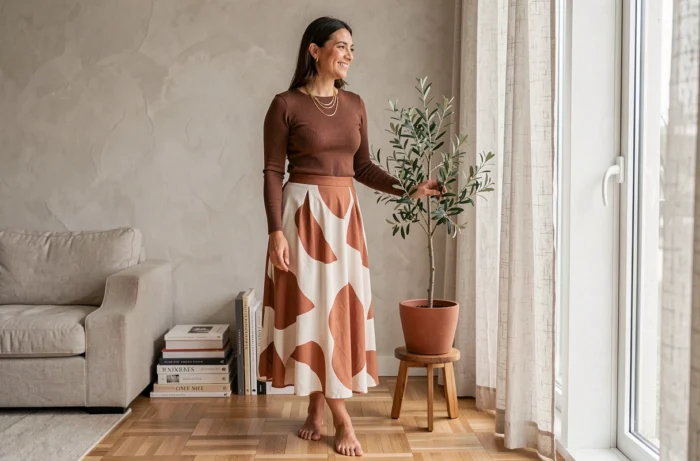
The flowy long dress is not just for summer. With a pair of ankle boots and a thin sweater worn over it, it works until November. Models in crepe or thick viscose are the most suitable: they don’t cling to tights and maintain a proper drape even in humid weather.
Trendy women’s accessories: where to focus the budget
Accessories often absorb an irrational share of the fashion budget. This season, two categories deserve serious consideration.
- Structured flat shoes (square-toed ballet flats, loafers, Mary Janes): they replace sneakers in most contexts and visually elongate the silhouette under wide pants
- Medium-sized bags with adjustable straps: large enough to hold a wallet and a phone, compact enough not to disrupt a streamlined outfit
- Wide belts worn over blazers or dresses: they restructure the silhouette without adding an extra layer, an asset during the thermal transition period
Chunky jewelry, which is very present on the runways, works better as a single piece than in accumulation. A statement necklace with discreet earrings, or vice versa. Rarely both at the same time.
Building a coherent seasonal style doesn’t require renewing twenty pieces. Three or four well-targeted purchases are enough to refresh an existing wardrobe, especially if chosen in materials and cuts that can last several months without becoming tiresome. The fashion of this fall 2026 facilitates this approach: silhouettes are simple, colors combine easily, and regulations are pushing brands towards clothing designed to last.