
The travel market is now organized around experience packages rather than simple checklists of sites. This structuring, notably adopted in the Moroccan tourism roadmap 2023-2026, reflects a profound shift: the traveler buys an experience, not a destination. Understanding this logic changes the way activities are selected and how to choose between available offers.
Experiential tourism and structured packages: what’s changing in the offer
The concept of experience packages is gradually replacing the classic catalog of excursions. The offer is segmented by type of experience (nature, culture, wellness, local immersion) rather than by geographical area or isolated attraction.
We observe that this approach modifies the value chain. Local operators co-create stays with residents, positioning regenerative tourism as an alternative to the mass model. For a traveler, this means that the quality of an activity depends less on its notoriety and more on its territorial anchoring.
In practice, booking platforms integrate this logic by filtering by theme rather than by country. Browsing the experiences on Voyage 2 Rêve allows one to see how this sorting by experience works in practice, with activities grouped by intensity and sensory register.
The technical point to remember: a well-designed package articulates transport, accommodation, and activity around a narrative thread. A photo safari is not judged by the number of animals seen, but by the coherence between the guide, the terrain, and the pace of the day.
Nature and sports activities: selection criteria by season
Choosing an outdoor activity without considering seasonality remains the most common mistake. A high-altitude trek in the wrong month turns a memorable experience into a logistical chore.
We recommend considering three parameters before booking:
- The optimal climatic window of the location (not the high tourist season, which often corresponds to a weather-price compromise)
- The actual technical level of the activity, distinguishing physical effort from technicality (a calm water kayak requires little technique but a lot of endurance over a day)
- The site’s capacity, as some protected natural areas limit daily entries, necessitating reservations several weeks in advance
Nature-sport activities adapt to each season: hiking and via ferrata in spring, canyoning and diving in summer, trail running and wildlife observation in autumn, snowshoeing and ski touring in winter. The best activity is the one that corresponds to the season of the terrain, not to your vacation.
Cultural immersion and heritage: going beyond the classic guided tour
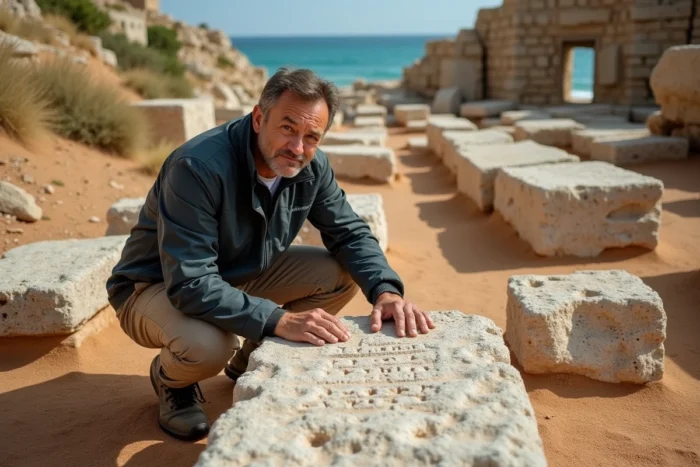
Heritage tourism is experiencing sustained growth worldwide. Travelers are seeking formats that go beyond the two-hour audio-guided tour.
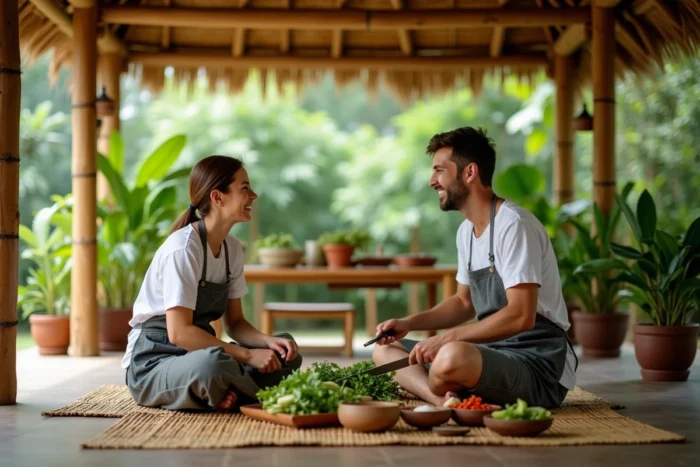
The most impactful experiences combine local know-how (cooking, crafts, agriculture) with a specific historical context. A pottery workshop in a southern Moroccan village has a different depth than a ceramics class in an urban studio, even if the technique taught is the same.
Successful cultural immersion relies on meeting a practitioner, not a facilitator. The difference is measured by the guide or artisan’s ability to answer off-script questions. This is a reliable indicator of the quality of an activity.
Several regions are now focusing on responsible and regenerative tourism, centered on slowness and experiences co-constructed with residents. This model, presented as a structural alternative to mass tourism, changes the very nature of what is called an “activity” while traveling.
Desert, island, and extreme landscapes: preparing activities in isolated environments
Isolated environments (desert, island, high mountains) impose constraints that booking platforms do not always mention. Access to water, network coverage, and distance to the nearest medical center are variables that condition the type of activity that can be practiced.
A bivouac in the desert involves food and water logistics calibrated to the gram. In isolated environments, logistical preparation is an integral part of the experience. Serious operators provide a detailed technical sheet with recommended water quantities, maximum bag weight, and cancellation conditions related to the weather.
For island destinations, the question of inter-island transport often determines the number of activities that can be undertaken. A boat trip of several hours between two sites mechanically reduces the time available for the activity itself.
Building a coherent activity itinerary rather than a collection of highlights
Accumulating five-star rated activities does not make for a good trip. Cognitive and physical fatigue sets in by the third day if the pace is poorly calibrated.
A well-constructed itinerary alternates:
- An intense activity day (trek, diving, long visit) followed by a half-day free or a contemplative activity
- Short transfers between two activities, ideally under two hours of transport
- At least one day without a fixed schedule per week of travel, to absorb the unexpected and allow for spontaneous discovery
The best itinerary leaves space between highlights. Travelers who return with the feeling of having experienced something profound are rarely those who checked off the most boxes.
The challenge is not to multiply travel experiences but to select a few rigorously, based on the terrain, the season, and one’s own endurance. A successful trip relies more on the quality of the choices made than on the length of the list.